2026-10-14 ·
How Nor'easters Lead to Biohazard Issues in East Orleans Homes
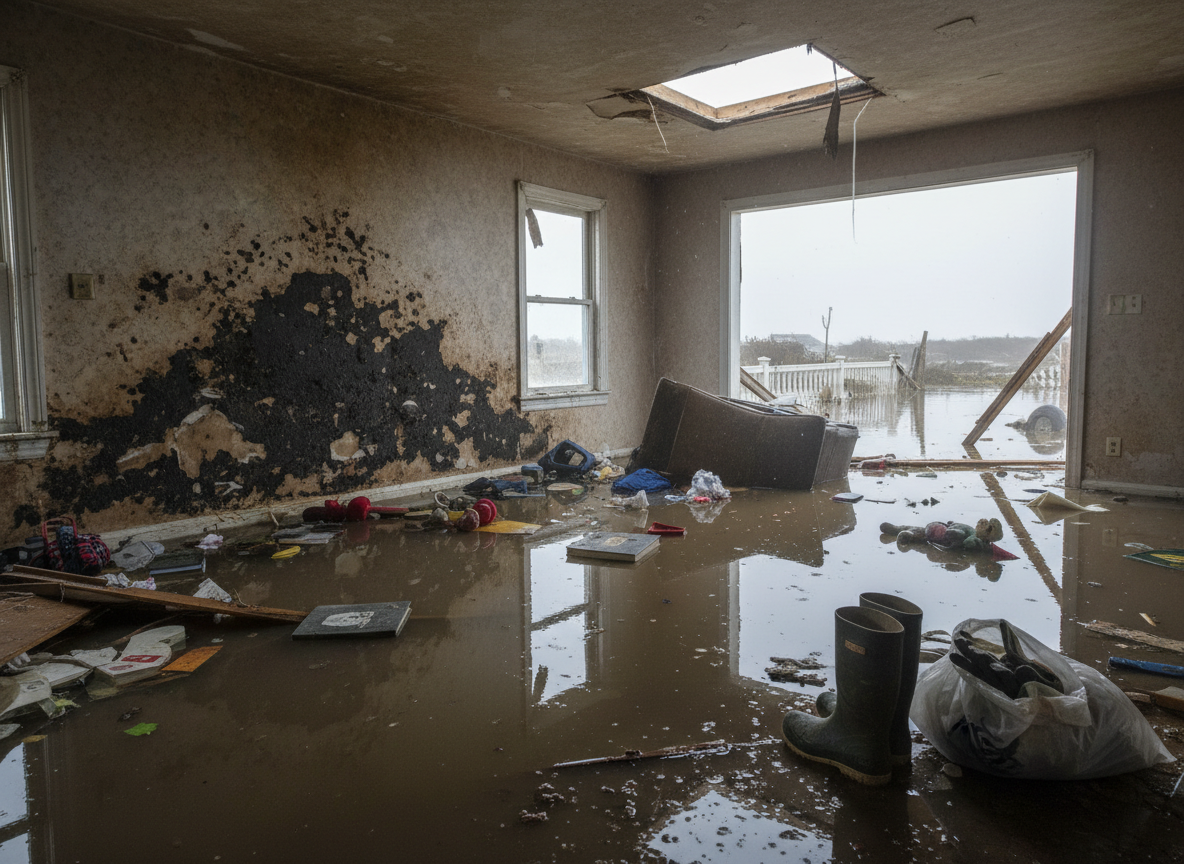
Nor'easters drive wind and rain that breach East Orleans homes, flooding basements and walls so mold and bacteria multiply within 48 hours and turn standing water into biohazard conditions.
Storm Winds Breach Older Homes in East Orleans
East Orleans sits in Barnstable County with many wood-frame houses built before 1970 that line the roads between Orleans and Nauset Beach. Nor'easter gusts above 50 mph peel roof shingles and crack window seals, letting rain reach insulation and subfloors. Once moisture sits inside wall cavities, hidden mold colonies form and release spores that travel through HVAC systems. Homeowners in South Orleans and Chatham report the same pattern after each major storm because the ocean-moderated climate keeps ground temperatures mild enough for rapid microbial growth even in winter.
Flooding and Surge Near Nauset Beach
Nauset Beach faces the Atlantic so storm surge routinely tops dunes and pushes saltwater into low-lying streets in East Orleans. Saltwater corrodes wiring and leaves behind organic debris that feeds bacteria once the water recedes. In homes with crawl spaces, the trapped moisture stays for weeks because cool summer nights slow evaporation. This creates the exact conditions described in Handling Mold and Contamination in Cape Cod Basements After Heavy Rain, where repeated wetting cycles turn minor leaks into full biohazard remediation jobs.
Mold Growth and Airborne Contaminants
After a Nor'easter passes, relative humidity inside damaged East Orleans homes often stays above 70 percent for days. Black mold appears on drywall within five to seven days and produces mycotoxins that irritate lungs. When power returns, fans and furnaces spread the spores to unaffected rooms. Properties used as seasonal rentals near the beach see faster spread because closed-up rooms trap moisture longer than year-round occupied houses.
Secondary Risks During Extended Outages
Power outages lasting three to five days after a Nor'easter leave refrigerators and freezers full of spoiled food that leaks onto floors. In unattended homes, this organic waste draws rodents and insects that spread additional pathogens. Families displaced to Chatham or Orleans sometimes return to find blood or bodily fluids from minor injuries mixed with floodwater, requiring Crime Scene Cleanup protocols even though no crime occurred.
Practical Steps for East Orleans Homeowners
Check attics and crawl spaces within 24 hours after winds drop. Remove wet insulation and drywall in sections no larger than four feet to limit spore release. Run dehumidifiers set to 50 percent until moisture meters read below 15 percent on framing lumber. Residents in Wellfleet and Truro follow the same sequence because the same weather systems affect the entire outer Cape. When contamination reaches HVAC ducts or multiple rooms, professional assessment prevents long-term health issues that simple drying cannot fix.
Seasonal patterns show that late-fall and early-winter Nor'easters produce the most persistent moisture because cooler air holds less water vapor yet keeps surfaces damp. Homeowners who track forecasts and prepare tarps and fans reduce the time between storm and cleanup, limiting how far biohazards spread through older East Orleans housing stock.